
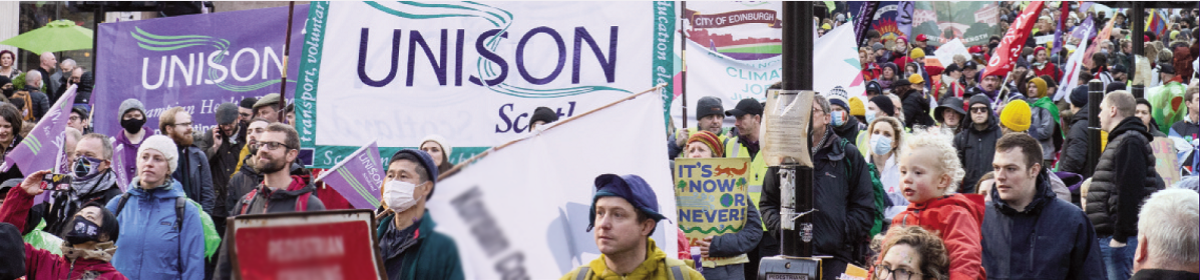
As you will be aware this year’s International Workers Memorial theme is Health and Safety / Climate Change.
As climate change intensifies, workers around the globe find themselves at an increased risk of exposure to hazards such as excessive heat, ultraviolet radiation, extreme weather events, air pollution, vector-borne diseases and agrochemicals.
Climate change creates a ‘cocktail’ of serious health hazards for 70 per cent of the world’s workers
The health consequences of climate change can include cancer, cardiovascular disease, respiratory illnesses, kidney dysfunction and mental health conditions.
A “staggering” number of workers, amounting to more than 70 per cent of the global workforce, are likely to be exposed to climate-change-related health hazards, and existing occupational safety and health (OSH) protections are struggling to keep up with the resulting risks, according to a new report by the International Labour Organization (ILO).
“It’s clear that climate change is already creating significant additional health hazards for workers and we must heed these warnings. Occupational safety and health considerations must become part of our climate change responses – both policies and actions. Working in safe and healthy environments is recognized as one of the ILO’s fundamental principles and rights at work. We must deliver on that commitment in relation to climate change, just as in every other aspect of work.”
All workers whether they work indoors, outdoors, offshore or travel for a living could be increasingly vulnerable to disruption, damage, and potential injury from climate change impacts such as windstorms, flooding, and heatwaves. During 2021-22 Adaptation Scotland and the Scottish Trade Union movement worked together to create resources to help identify the hazards that climate change could bring to a range of different workplaces and to develop adaptation solutions.
The resources are designed to address the human consequences of a changing climate and help workers have a central voice in building resilience to climate risks and championing climate change adaptation solutions which also tackle inequality and social justice.
These tools combine the latest climate change science and the lived experience of trade union representatives from across Scotland, which suggests that climate change impacts, without adaptation, threaten health and safety. Conversely, well-planned adaptation action can transform our poorest communities and present massive opportunities for Scotland’s workers and industries.
Colleagues as we stand here united today to remember those that have died as a result of work we must continue to honour them by fighting for the living!
We can do this by joining the Scottish Hazards campaign to turn Scotland purple each and every April 28th. Local authorities such as Orkney, Argyll Bute and East Lothian all agreed to recognise IWMD for the first time and committed to further discussions to develop this recognition in coming years.
To date, Edinburgh Castle has been lit purple in recognition of IWMD as well as St Magnus Cathedral in Kirkwall, Dumfries and Galloway Council HQ, Dundee House and Dundee Railway Station to add to the many others. UNISON Stirling’s hope is that Stirling will be the next Local Authority to light up purple for next year’s International Workers Memorial event on the 28th of April.
The ultimate aim is to have the day recognised more or less across the whole of Scotland, by lighting buildings and landmarks purple so the voices of those who have lost most, the bereaved families are recognised and heard.
This would undeniably be a fitting tribute to workers fatally injured at work as well as a campaigning call to ensure we continue to, as Catriona Lockhart said,” fight like hell for the living!”
Remembering Bhopal
Finally “Most people here today will not be aware that the second of December this year will be the fortieth anniversary of the world’s worst industrial accident – the Bhopal Gas Disaster. This cannot be forgotten!
An important reminder of what happened. On the night of 2nd December 1984, the Union Carbide plant in Bhopal allowed around 30 tonnes of a gas, methyl isocyanate, to be released into the air. Methyl isocyanate is approximately 50 times more deadly than cyanide and is heavier than air.
The number of people who died following the incident will never be known. Still, it is estimated at least twenty-five thousand people were killed in the immediacy of the leak and that well over one hundred thousand people, perhaps many hundreds of thousands, are impacted today. This situation isn’t improving. In fact, it is getting worse as there has never been any decontamination.
Please remember those who have died and those who are suffering today. Please raise awareness of the forthcoming anniversary.
Do not forget Bhopal.”
UNISON Stirling
International Workers Memorial, 28th April 2024
Colleagues,
As you
will be aware this year’s International Workers Memorial theme is Health and
Safety / Climate change.
As
climate change intensifies, workers around the globe find themselves at an
increased risk of exposure to hazards such as excessive heat, ultraviolet
radiation, extreme weather events, air pollution, vector-borne
diseases and agrochemicals.
Climate
change creates a ‘cocktail’ of serious health hazards for 70 per cent of the
world’s workers
The health
consequences of climate change can include cancer, cardiovascular disease,
respiratory illnesses, kidney dysfunction and mental health conditions.
A “staggering” number of workers, amounting to more than 70
per cent of the global workforce, are likely to be exposed to
climate-change-related health hazards, and existing occupational safety and
health (OSH) protections are struggling to keep up with the resulting risks,
according to a new report by the International Labour Organization (ILO).
“It’s clear that climate change is already creating
significant additional health hazards for workers and It is essential that we
heed these warnings. Occupational safety and health considerations must be
become part of our climate change responses – both policies and actions.
Working in safe and healthy environments is recognized as one of the ILO’s
fundamental principles and rights at work. We must deliver on that commitment
in relation to climate change, just as in every other aspect of work.”
All
workers whether they work indoors, outdoors, offshore or travel for a
living could be increasingly
vulnerable to disruption, damage, and potential injury from climate change
impacts such as windstorms, flooding, and heatwaves. During 2021-22 Adaptation Scotland and the
Scottish Trade Union movement worked together to
create resources to help identify
the hazards that climate change could bring to a range of different workplaces and to
develop adaptation solutions.
The
resources are designed to address the human consequences of a changing
climate and help workers have a central voice in building resilience to
climate risks and championing climate change adaptation solutions which also
tackle inequality and social justice.
These
tools combine the latest climate change science and the lived experience
of trade union representatives from across Scotland, which suggests that
climate change impacts, without adaptation, threaten health and
safety. Conversely, well planned adaptation action can transform our
poorest communities and present massive opportunities for Scotland’s workers
and industries.
Colleagues as we stand here united today to remember those
that have died as a result of work we must continue to honour them by fighting
for the living!
We can do
this by joining the Scottish Hazards campaign to turn Scotland purple each and
every April 28th. Local authorities such as Orkney, Argyll and Bute
and East Lothian all agreed to recognise IWMD for the first time and committing
to further discussions to develop this recognition in coming years.
To date
Edinburgh Castle has been lit purple in recognition of IWMD as well as St
Magnus Cathedral in Kirkwall, Dumfries and Galloway Council HQ, Dundee House
and Dundee Railway Station to add to the many others. UNISON Stirling’s hope is
that Stirling will be the next Local Authority to light up purple for next
year’s International Workers Memorial event on the 28th April.
The ultimate
aim is to have the day recognised more or less across the whole of Scotland, by
lighting buildings and landmarks purple so the voices of those who have lost
most, the bereaved families are recognised and heard.
This would
undeniably be a fitting tribute to workers fatally injured at work as well as a
campaigning call to ensure we continue to, as Catriona Lockhart said,” fight
like hell for the living!”
Finally “Most people
here today will not be aware that the second of December this year will be the
fortieth anniversary of the world’s worst industrial accident – the Bhopal Gas
Disaster. This cannot be forgotten!
An important reminder
of what happened. On the night of 2nd December 1984, the Union Carbide
plant in Bhopal allowed around 30 tonnes of a gas, methyl isocyanate, to be
released into the air. Methyl isocyanate is approximately 50 times more
deadly than cyanide and is heavier than air.
The number of people
who died following the incident will never be known, but it is estimated at
least twenty five thousand people died in the immediacy of the leak and that
well over one hundred thousand people, perhaps many hundreds of thousands, are
impacted today. This situation isn’t improving. In fact, it is getting
worse as there has never been any decontamination.
Please remember those
who have died and those who are suffering today. Please raise awareness
of the forthcoming anniversary.
Do not forget
Bhopal.”
 Stirling UNISON